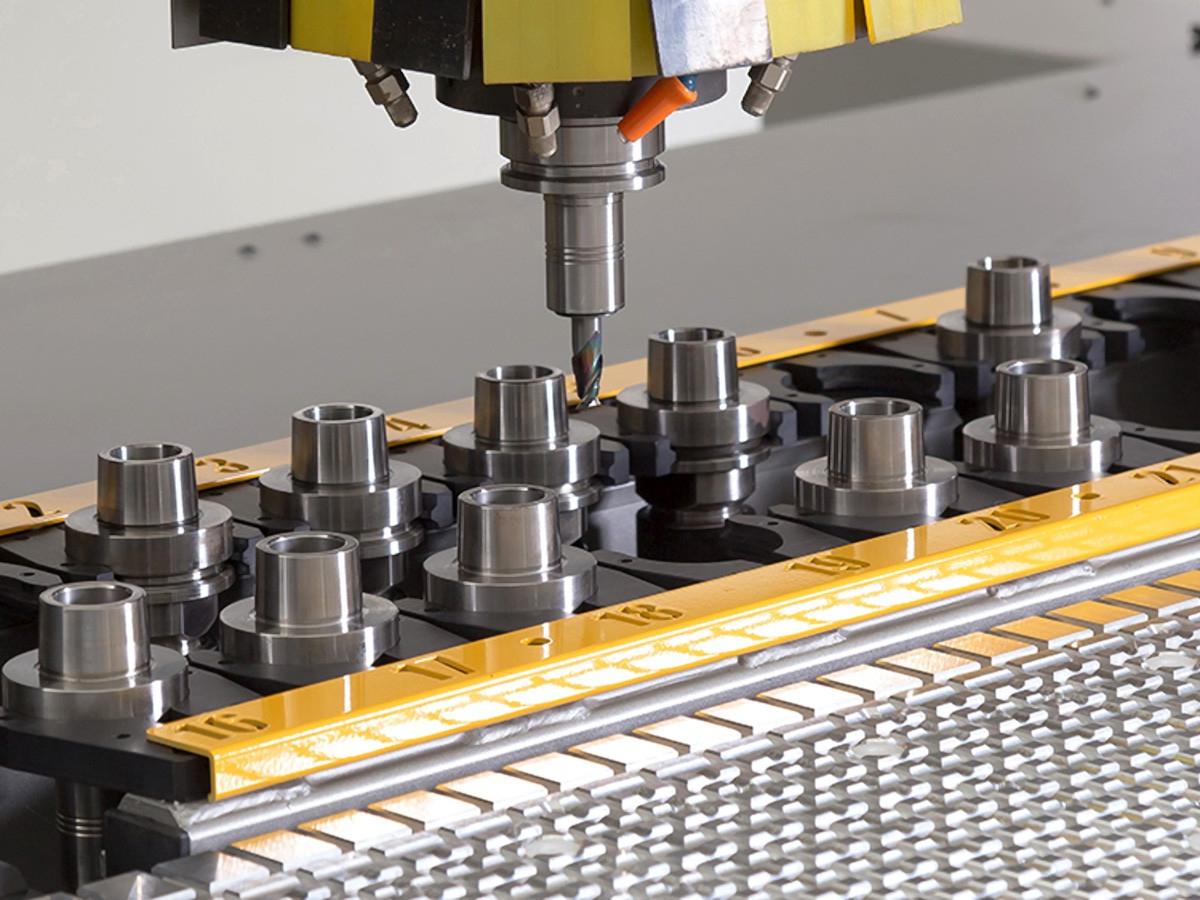
Many think the cnc milling machine price is a fixed number, easy to find online. In reality, it’s more complex. If you want to truly understand the cost of a CNC mill, you need to look beyond the sticker price. Think of it not just as a purchase but as a strategic investment.
By reading this article, you’ll gain a clear understanding of how investing in a cnc milling machine can transform your production, improving precision and efficiency. You don’t need complex tools—just three simple steps. Keep reading to discover how to make the right choice and maximize your return on investment.
1. The Initial Price Tag: What Defines the Base Cost?
The first factor impacting the cnc milling machine price is the machine’s basic specifications and type. A small, entry-level CNC mill, such as a 3-axis model for hobbyists or small workshops, will have a lower starting cost compared to a large industrial 5-axis machine. Consider a compact desktop machine with a 12×16 inch work area and a low-power spindle.
Professional-grade machines are where prices increase considerably. A medium-sized 3-axis CNC mill, with a work area around 40×24 inches, a more powerful spindle, and a quality control system can cost significantly more. These are the workhorses for many machine shops producing medium-sized parts or running small to medium batches. The cnc milling machine price in this range reflects greater robustness, precision, and reliability for intensive use.
2. Size Matters: Work Area and Machine Footprint
The machine’s size and usable work area are key factors influencing the cnc milling machine price. A larger machine capable of handling bigger parts requires more material for its construction, a more robust frame, and more powerful drive systems for the longer axes. Imagine needing to mill a large component for the aerospace or heavy sector. These machines can be quite costly, with investment justified by the ability to machine otherwise unmanageable parts.
3. Axes of Motion: Complexity Drives Cost
The number of axes on a CNC mill significantly impacts the cnc milling machine price. A standard 3-axis machine offers movement along the X, Y, and Z axes. A 4-axis machine adds a rotary axis, and a 5-axis machine allows simultaneous movement on all five axes. This enables machining of complex geometries in a single setup.
A 5-axis machine is more expensive than a 3-axis one, due to increased mechanical complexity and the need for advanced CAM software for programming. If your work involves complex 3D shapes, budget for a higher price point for a 5-axis machine. The benefit is the ability to create parts that were previously impossible to make.
4. Spindle Power and Speed: Performance Metrics
Spindle power and its maximum speed (RPM) are critical performance metrics that affect the cnc milling machine price. A more powerful spindle allows for faster material removal, making machining more efficient, especially with hard materials. A high-speed spindle is ideal for achieving excellent surface finishes and efficiently machining softer materials like aluminum or plastics.
For instance, a shop primarily working with high-strength steels will need a machine with a robust, high-torque spindle. Conversely, for aluminum or plastics, a high-speed spindle might be preferred. The cnc milling machine price directly reflects these performance capabilities.
5. Control Systems and Automation: The Machine’s Brain
The CNC control system and automation features add further cost but also significant value to the cnc milling machine price. An advanced control system offers greater precision, more powerful programming functions, and a user-friendly interface. Automation, such as automatic tool changers, rotary tables, or robotic loading/unloading systems, can significantly increase the machine’s price but drastically reduce setup times and boost overall productivity.
6. Brand Reputation, Used vs. New, and Hidden Costs
Other factors influencing the cnc milling machine price include brand reputation. Manufacturers known for reliability and precision often command higher prices. When considering a used machine, assess its condition and available support carefully. Hidden costs such as installation, shipping, operator training, maintenance, and energy consumption should also be considered.
7. The Real Value: Beyond the Initial Purchase Price
The cnc milling machine price is only part of the equation. The true value lies in its return on investment (ROI). A more expensive machine, if more precise and reliable, can generate more profit over time through increased productivity and reduced maintenance costs. Focus on the potential profit it can generate, not just the upfront cost. An overly cheap machine might lead to scrap, downtime, and customer dissatisfaction.
8. Making the Smart Investment: Your Next Steps
You’ve explored the technology, types, and costs. Now it’s time to make an informed decision. The cnc milling machine price varies widely, but the right choice is about maximizing your ROI.
- Define Your Needs: What parts, materials, and volumes are you targeting?
- Compare TCO: Look beyond the initial price to total ownership costs.
- Prioritize Support: Choose a manufacturer with excellent service and parts availability.
These are the fundamentals. Start researching specific models and manufacturers today. Request detailed quotes and compare support packages. Your next cnc milling machine is a strategic investment in your business’s future success.


